

IbizaPocholo
NeoGAFs Kent Brockman
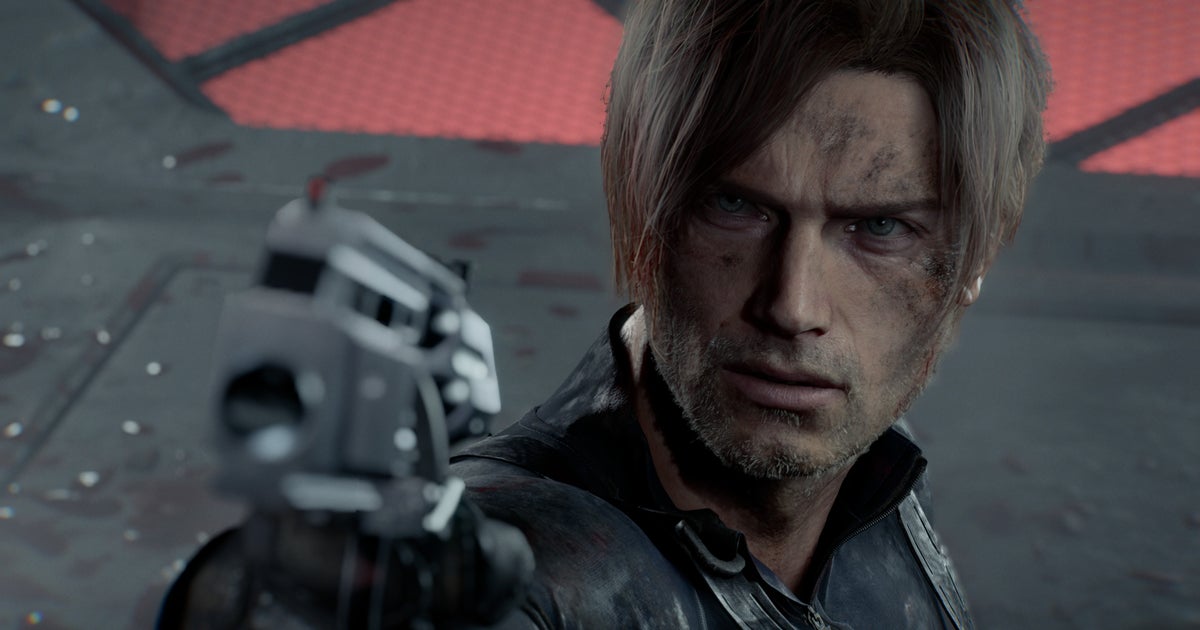
The big interview: Resident Evil Requiem makers discuss trying to "push things" with horror, Leon's "craziness", and why they can't make their games too scary
Resident Evil Requiem game director Koshi Nakanishi and producer Masato Kumzawa take us behind the scenes and reveal how Capcom made a modern horror classic.
 www.eurogamer.net
Resident Evil Requiem succeeds as a modern horror classic by masterfully balancing intense, uncanny zombie horror with high-octane action, celebrating the series' 30th anniversary through subtle legacy references, and introducing relatable new characters like Grace Ashcroft while providing closure for veterans like Leon Kennedy.
Summary
- The article is an in-depth interview conducted by Eurogamer's Matt Wales with Resident Evil Requiem game director Koshi Nakanishi and producer Masato Kumzawa, discussing the development, design philosophy, and reception of the game, released in 2026 to mark the Resident Evil series' 30th anniversary.
- Resident Evil Requiem is praised as a phenomenal entry that continues the series' saga, introduces new character Grace Ashcroft as a fan favorite, brings back Leon S. Kennedy for closure, achieves peak scariness, and celebrates the franchise's history while selling over 7 million copies in two months, making it the fastest-selling in the series.
- Nakanishi emphasizes that all Resident Evil games start with defining the type of fear, balancing horror pressure with cathartic survival and combat; without both horror and action, it might not be accepted as true Resident Evil by fans.
- The team focused on zombies as the core horror element due to returning to Raccoon City's storyline, designing them uniquely with retained human behaviors (e.g., cleaners scrubbing toilets, orderlies flicking lights, chefs creating grim tableaux, faded starlets singing) to create uncanniness—making them scarier by being "almost human but not quite," avoiding predictability after decades of zombie tropes.
- Kumzawa notes that tension before zombie encounters is scarier than the encounters themselves, stressing pacing to maintain fear without over-relying on jump scares; Nakanishi adds the goal is "addictive fear" that's thrilling but not unbearable, appealing to a broad fanbase.
- The game alternates between Grace's intense horror sections and Leon's action-oriented "pressure valve release" segments; without Leon, Grace's pacing would need restructuring for action relief.
- Tone juggling between horror and humor is achieved through gradual introduction—Leon's one-liners start sparse and ramp up as his scenes intensify, peaking in "Leon craziness" like motorcycling up a skyscraper, but balanced with serious moments (e.g., reflecting at the destroyed Raccoon City Police Department (RPD), infection scenes) to avoid undermining horror.
- Returning to present-day Raccoon City (first time in 30 years) naturally led to Leon at the RPD; the 30th anniversary celebration emerged organically, motivating subtle Easter eggs (e.g., 1998 Letters in Deluxe Edition, a "soft" item at RPD) rather than forced character reunions, prioritizing storyline integrity.
- Design considers both longtime fans and newcomers, leveraging fan word-of-mouth; Grace's popularity stems from her emotional expressiveness as a horror novice, making her relatable and rootable.
- On Grace's design backlash to Nvidia's DLSS 5 AI makeover, Kumzawa views fan preference for the original as validation of her quick rise as a favorite.
- No pressure to age characters realistically or replace icons like Leon (nearing 50) with younger ones; Nakanishi believes Leon remains appealing even at 70.
- The team is delighted with global reactions, especially to post-Raccoon City return surprises kept secret pre-launch, confirmed via streams and clips.


